
HOME | Products | hYDROBALL AUTOMATIC TUBE CLEANING SYSTEM
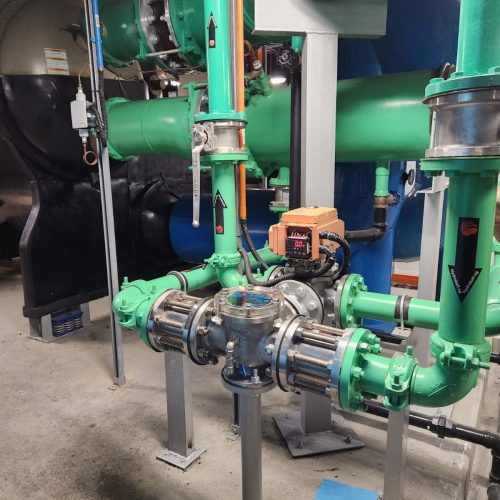
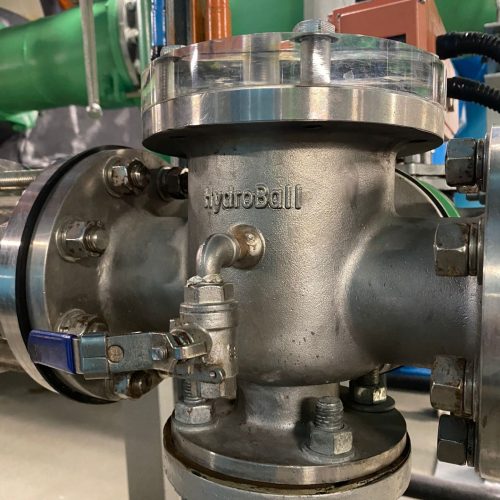
An Automatic Tube Cleaning System (ATCS) for HVAC applications is a mechanical system designed to clean water-cooled chiller condenser tubes automatically during normal operation, helping control fouling and maintain heat-transfer efficiency.
Hydroball’s Online ATCS is a patented online condenser tube cleaning solution designed for commercial buildings and industrial facilities. Integrated with the chiller’s condenser water circuit, the system automatically circulates cleaning sponge balls through the condenser tubes at preset intervals to remove soft deposits and help control fouling before it accumulates.
By maintaining cleaner tube surfaces without routine shutdowns for manual cleaning, HydroBall helps preserve chiller performance, reduce fouling-related energy losses and minimise maintenance interruptions.
Patented Technology Designed for Energy and Water Efficiency
An online Automatic Tube Cleaning System (ATCS) cleans condenser tubes while a water-cooled chiller operates. In a sponge-ball cleaning system, specially sized cleaning balls circulate through the condenser tubes to remove soft deposits and help control fouling.
The HydroBall system automates this cleaning process through a ball circulation arrangement integrated with the condenser water circuit, helping maintain tube cleanliness without routine shutdowns for manual cleaning.
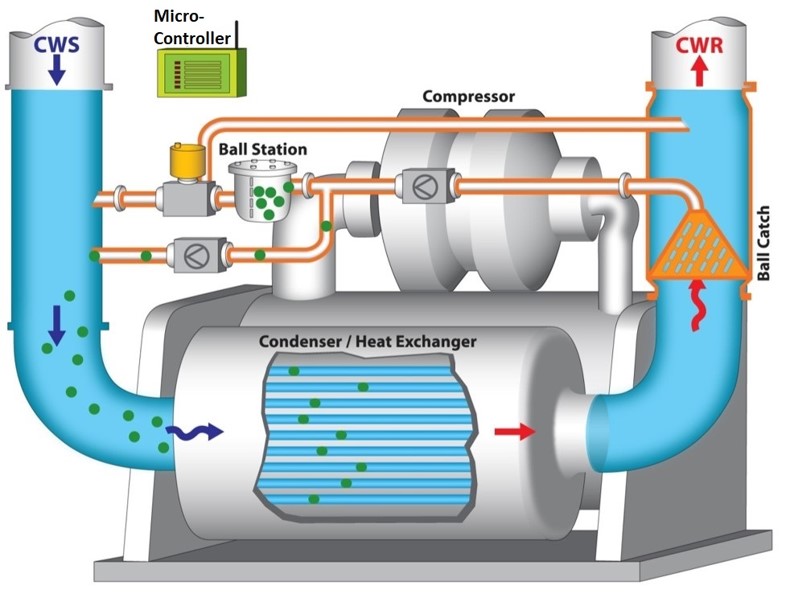
Cleaning sponge balls are introduced into the condenser water circuit through the HydroBall system.
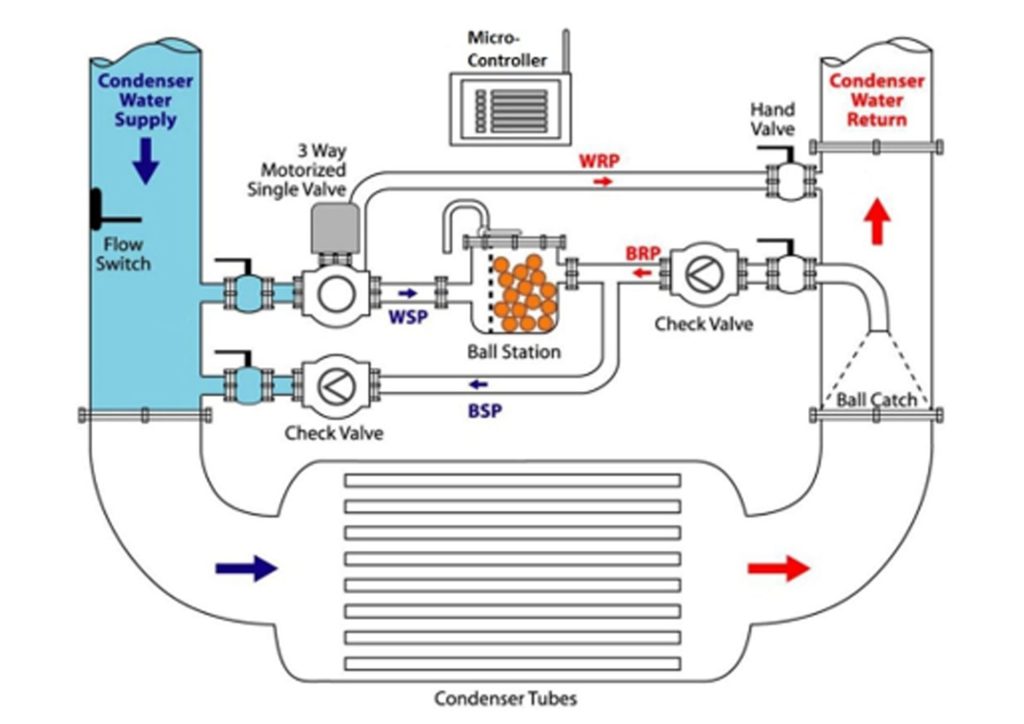
The process operates at preset intervals while the chiller remains in service, helping maintain condenser tube cleanliness and reduce the need for routine manual cleaning shutdowns.
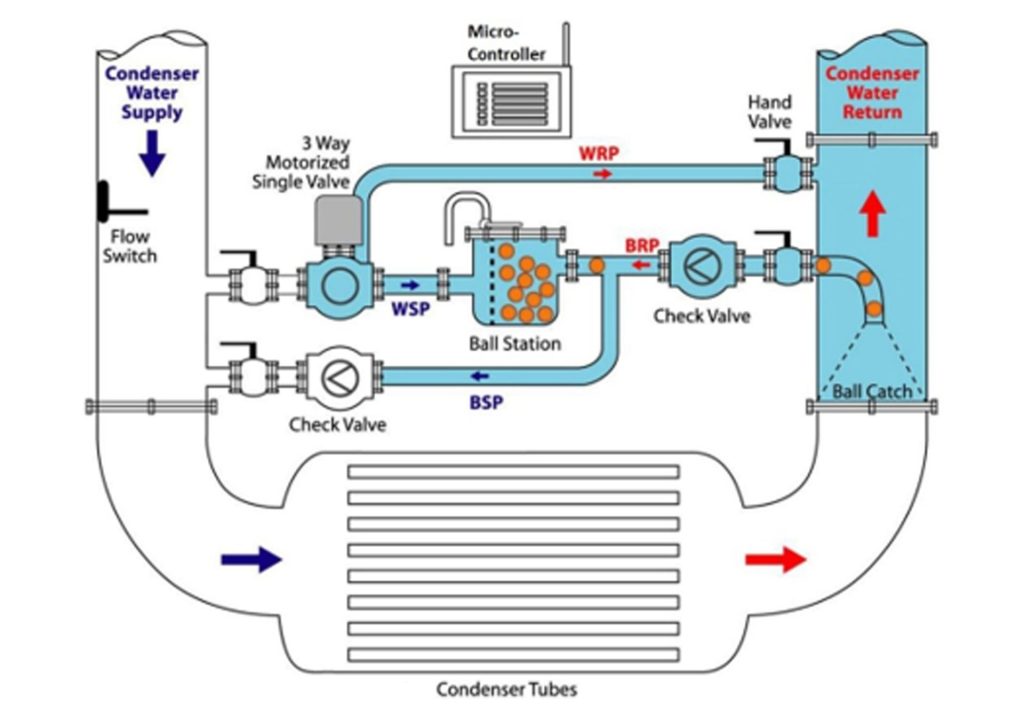
As cooling water flows through the condenser, the sponge balls travel through the tubes, making contact with their internal surfaces to remove soft deposits and help control fouling.
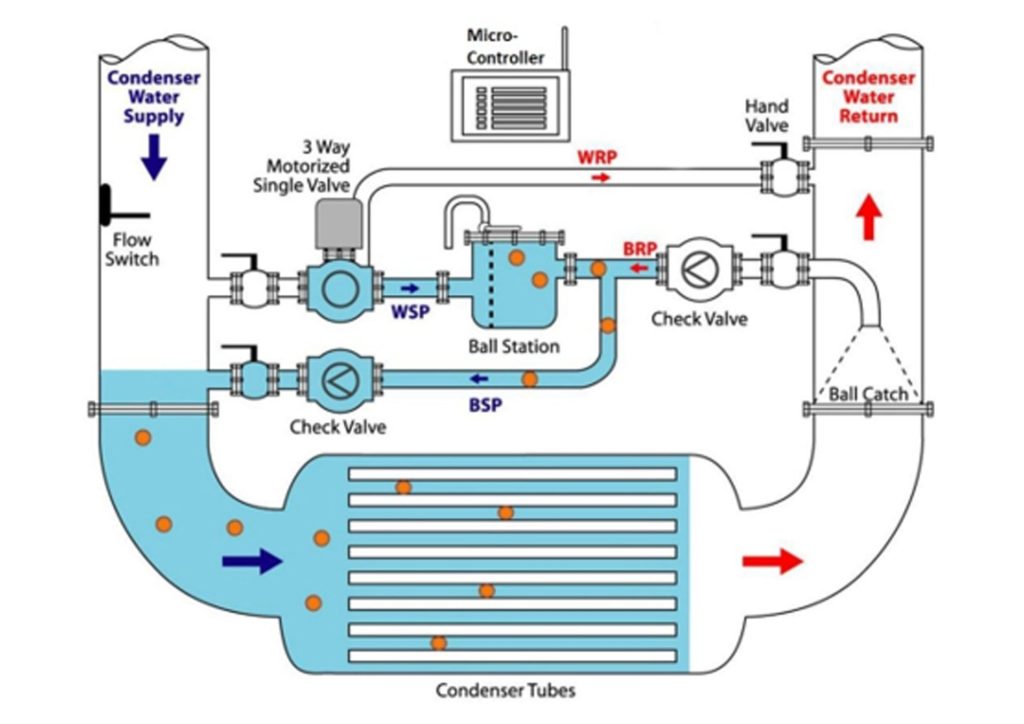
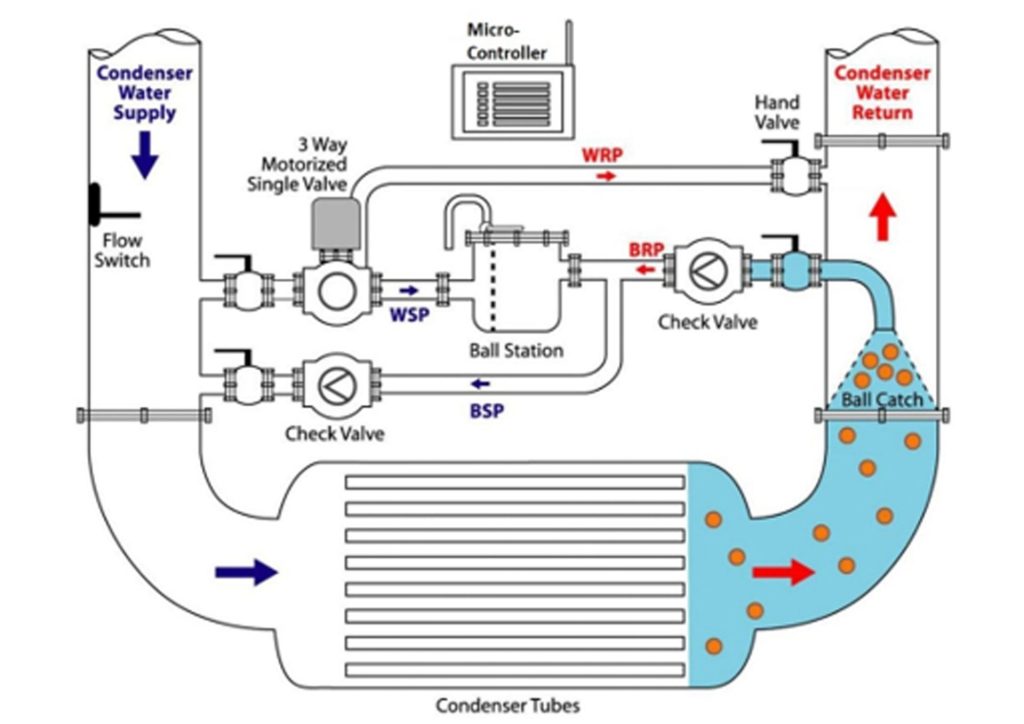
The cleaning balls are collected and returned through the system for continued use, according to the system’s operating cycle.

Condenser tube cleanliness plays an important role in chiller performance. When deposits accumulate on internal tube surfaces, heat transfer can deteriorate, potentially increasing the energy required to reject heat. HydroBall’s online tube cleaning approach helps facility managers address fouling proactively rather than relying solely on periodic manual cleaning.
Fouling on condenser tube surfaces can impair heat transfer and contribute to increased chiller energy consumption. By helping control deposits during normal operation, HydroBall supports cleaner heat-transfer surfaces and helps reduce fouling-related energy losses.
Regular mechanical cleaning helps remove soft deposits before they accumulate and become more difficult to remove. This supports condenser cleanliness as part of a broader water treatment and maintenance programme.
Traditional manual condenser tube cleaning generally requires the affected equipment to be taken out of service or isolated. HydroBall’s online operation reduces the need for routine shutdowns specifically for tube cleaning.
HydroBall cleans condenser tubes without discharging cooling water during the cleaning process. This helps minimise water wastage and retain chemically treated cooling water within the operating system.
The non-powered ball circulation mechanism avoids dedicated pumps and compressors for cleaning-ball circulation. Fewer mechanical components can reduce associated maintenance requirements and simplify the system arrangement.
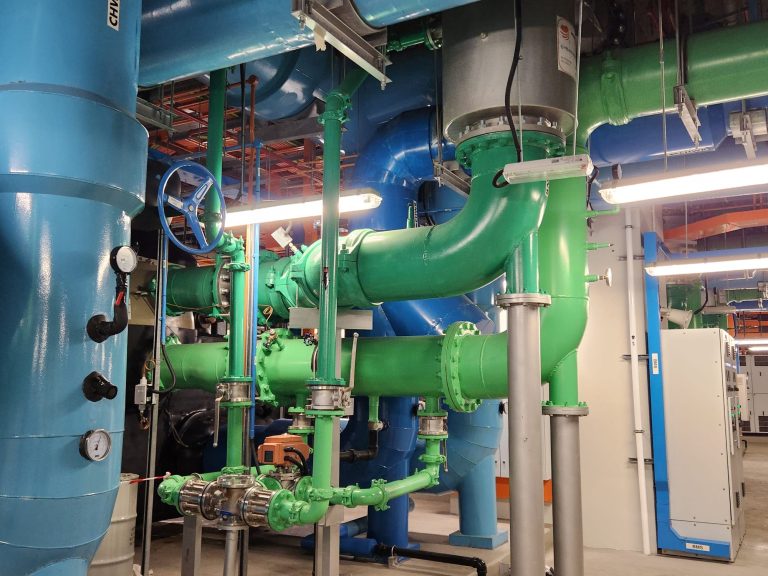
Selecting an Automatic Tube Cleaning System involves more than comparing the cleaning mechanism. Facility managers and HVAC engineers should evaluate its impact on energy performance, maintenance, water consumption and compatibility with the existing chiller plant.
Consider the system’s hydraulic resistance, potential head loss and effect on condenser water flow. Evaluate whether the cleaning arrangement could introduce hot and cold water mixing or other conditions that affect condenser performance.
Assess whether the system requires dedicated pumps, compressors or other powered equipment. Consider moving parts, consumable replacement procedures, maintenance intervals and the accessibility of key components.
Determine whether the cleaning process discharges cooling water and whether it preserves treated water within the system. Minimising unnecessary water discharge can reduce water wastage and the associated costs of water treatment and replenishment.
Check material corrosion resistance, operating pressure ratings, condenser compatibility and installation requirements. Where monitoring or building integration is needed, verify the system’s available controls and connectivity.
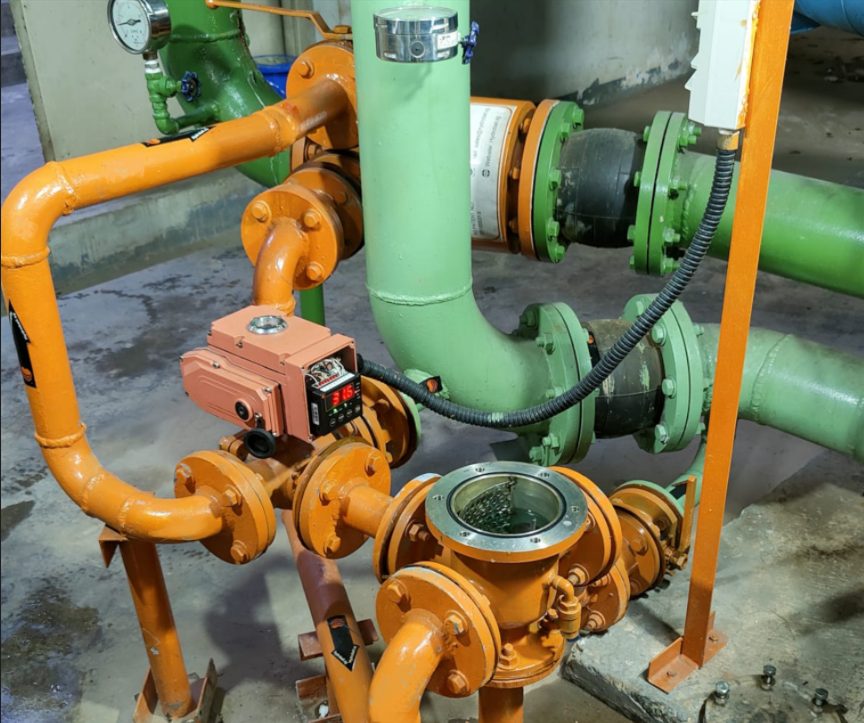
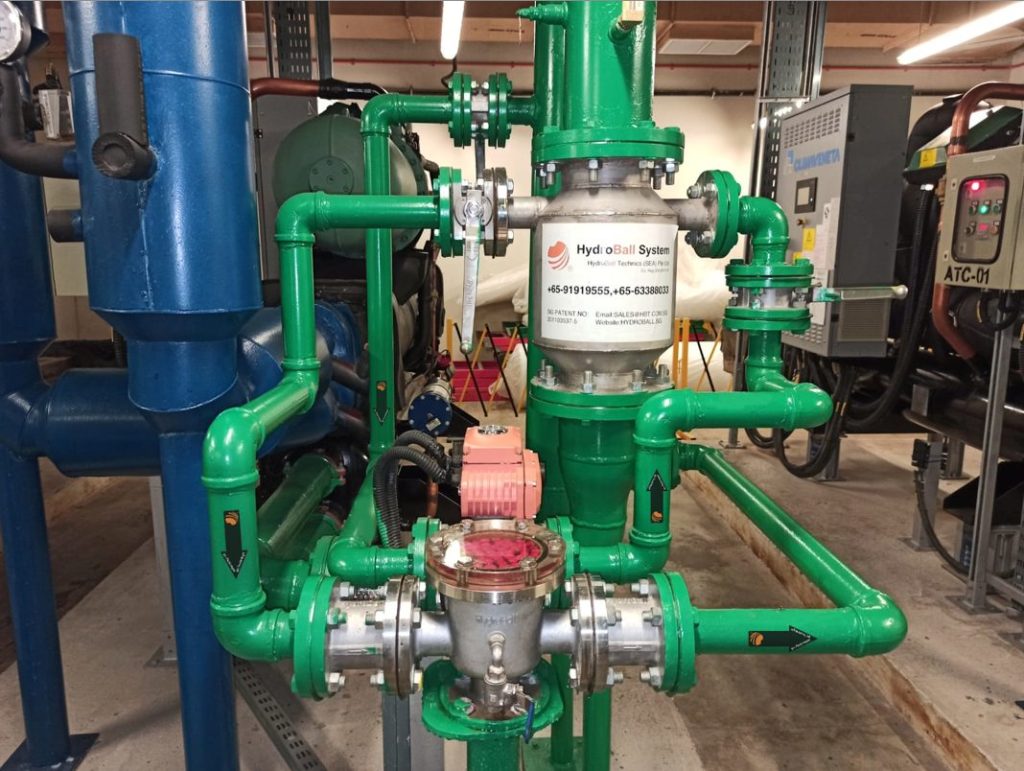

Automatic tube cleaning systems differ in how they circulate cleaning media, manage condenser water flow and maintain tube cleanliness. Comparing the operating principles of each solution helps buyers understand which system best meets their requirements.
HydroBall combines non-powered cleaning-ball circulation, a patented Dual Loop design and water-resilient operation in an online condenser tube cleaning solution.
An ATCS automatically cleans the internal surfaces of heat-exchanger tubes. In water-cooled chillers, it helps control condenser fouling and maintain heat-transfer performance during normal operation.
HydroBall circulates specially designed sponge balls through condenser tubes at preset intervals, helping remove soft deposits while the chiller remains in operation.
No. HydroBall’s non-powered cleaning-ball circulation mechanism does not require dedicated pumps or compressors to circulate the cleaning balls.
No. Mechanical tube cleaning and chemical water treatment serve complementary purposes. Tube cleaning helps remove deposits, while water treatment manages water chemistry and helps control scaling, corrosion and biological growth.
Potential savings depend on the existing level of fouling, chiller operating conditions and maintenance practices. A site-specific assessment or documented performance data is needed to estimate actual savings.
